A home is more than walls and a roof. It’s where families rest, recharge, grow, and recover from daily stress. When a home is comfortable and safe, it supports better sleep, healthier routines, and a calmer emotional environment. When it isn’t, small issues can quietly chip away at well-being until they become unavoidable problems.
Many families think of maintenance as something cosmetic or optional—something to address only when something breaks. In reality, routine upkeep plays a critical role in physical health, mental comfort, and day-to-day stability. Air quality affects breathing and sleep. Water systems influence hygiene and safety. Structural integrity impacts temperature control, noise, and stress. Even access points and outdoor areas influence how secure and relaxed a family feels at home.
This guide explores how proactive care supports family health and comfort, and how practical habits can reduce disruption, prevent emergencies, and create a more livable environment over time.
How Indoor Air Quality Shapes Daily Health

The air inside a home is one of the most overlooked factors in family wellness, largely because its effects are gradual rather than immediate. Families spend a significant portion of their lives indoors—sleeping, cooking, relaxing, and working—so indoor air quality has a constant influence on breathing, energy levels, and immune response. Unlike outdoor air, which naturally circulates and refreshes, indoor air can become trapped and stagnant, allowing irritants to build up over time without obvious warning signs.
When air circulation is poor, particles remain suspended in the living space instead of being filtered or removed. Common indoor irritants include:
- Dust and dust mites
- Pet dander
- Pollen brought in from outside
- Moisture from cooking, bathing, and laundry
Over time, exposure to these particles may lead to physical symptoms such as:
- Frequent headaches or sinus pressure
- Worsening allergy or asthma symptoms
- Chronic coughing or throat irritation
- Difficulty sleeping or waking up tired
Children and older adults often experience these effects first because their respiratory systems are either still developing or more sensitive. What may feel like minor discomfort at first can slowly turn into an ongoing health issue if airflow problems persist.
One of the most important contributors to healthy airflow is proper HVAC installation. When systems are incorrectly sized or poorly designed, they struggle to distribute air evenly throughout the home. This can result in:
- Rooms that feel stuffy, while others are overly dry or cold
- Systems cycling on and off too frequently
- Reduced ability to filter dust and allergens
- Poor humidity control that encourages mold growth
These issues go beyond comfort. Inconsistent airflow and excess moisture can irritate airways, aggravate respiratory conditions, and make the home feel uncomfortable even when temperatures appear normal.
Fireplaces and fuel-burning appliances also influence indoor air quality. Without regular chimney cleaning, soot and debris can accumulate and restrict proper ventilation. When this happens, harmful byproducts may remain inside the home longer than intended. Even homes that use fireplaces infrequently are at risk, as buildup can occur slowly and remain unnoticed until air quality declines.
Simple, consistent habits can significantly improve indoor air and reduce health risks. Practical steps families can take include:
- Changing air filters on a regular schedule and keeping track of replacement dates
- Opening windows occasionally to introduce fresh air when outdoor conditions are safe
- Using exhaust fans during cooking and bathing to remove moisture and airborne particles
- Scheduling seasonal system checks before periods of extreme heat or cold
It’s also important to recognize early warning signs that indoor air may be compromised. These signs often include:
- Lingering odors that don’t disappear with routine cleaning
- Excessive dust buildup despite regular housekeeping
- Frequent condensation on windows or walls
- Family members feeling fatigued, irritated, or unwell, primarily when indoors
Good air quality rarely draws attention to itself. When systems function properly, airflow is balanced, humidity is controlled, and irritants are minimized without constant effort. Families simply breathe more comfortably, sleep more soundly, and move through daily life with fewer disruptions—often without realizing how much healthier their environment has become.
Water Quality, Hygiene, and Family Health
Clean, reliable water underpins nearly every daily routine—drinking, cooking, bathing, laundry, and cleaning. When water systems falter, the effects can range from minor inconvenience to serious health concerns.
Subtle changes often appear before major issues. Low pressure, temperature fluctuations, slow drainage, or unusual odors may indicate the need for a plumbing repair. These signs are easy to ignore during busy weeks, but delays can allow bacteria, sediment, or moisture damage to worsen.
In many cases, a licensed plumber can identify problems that aren’t visible on the surface. Aging pipes, mineral buildup, or internal corrosion may affect water quality long before a leak becomes obvious.
Healthy water habits for families include:
- Paying attention to changes in water clarity or taste
- Addressing small leaks promptly to prevent contamination
- Avoiding chemical drain cleaners that can damage pipes
- Knowing where the main shutoff valve is located
Children are especially sensitive to water issues because of their developing immune systems. Even minor contaminants can lead to stomach upset or skin irritation.
Reliable water systems support not just physical health, but emotional comfort. When families can trust the water they use every day, it removes a layer of background stress that often goes unnoticed until something goes wrong.
Preventing Moisture Damage and Hidden Health Risks
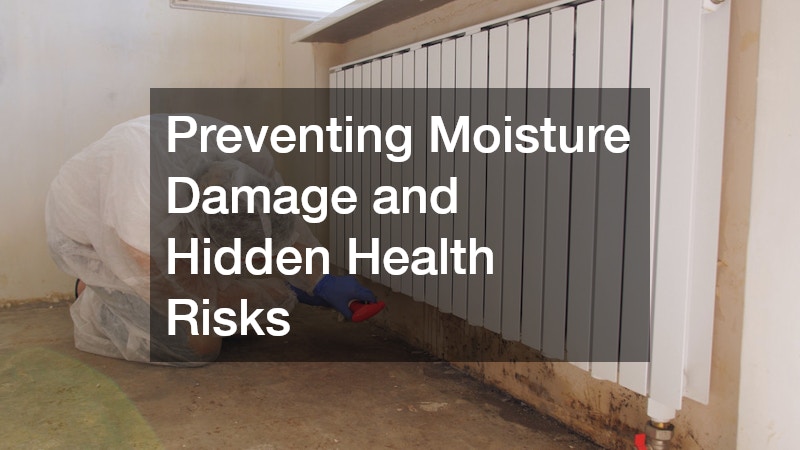
Moisture is one of the most common and underestimated threats to a healthy home. Unlike obvious hazards, moisture damage often develops slowly, behind walls or under floors, where it can go unnoticed for months or even years.
Small leaks, outdated fittings, or recurring clogs may require plumbing repairs long before visible damage appears. Left untreated, moisture can lead to mold growth, unpleasant odors, and compromised indoor air quality.
Another often overlooked issue is what happens beyond the home’s visible plumbing. A sewer line inspection can reveal cracks, root intrusion, or blockages that may otherwise result in backups or harmful exposure. These problems don’t just affect convenience—they can expose families to bacteria and gases that pose real health risks.
Common warning signs of hidden moisture problems include:
- Musty smells that persist despite cleaning
- Discolored walls or ceilings
- Warped flooring or soft spots
- Frequent drain backups
Preventive habits that reduce risk:
- Monitoring areas under sinks and around appliances
- Checking basements and crawl spaces seasonally
- Addressing recurring clogs rather than repeatedly clearing them
- Scheduling inspections for older homes or homes with mature trees
Moisture problems tend to escalate quietly. Early intervention protects not only the structure of a home, but also the health and comfort of everyone living inside it.
Protecting Comfort Through Structural Integrity
A home’s exterior plays a surprisingly large role in how comfortable it feels inside. Gaps, wear, and weather damage allow heat, cold, and noise to enter, forcing systems to work harder and families to adapt to inconsistent conditions.
One of the most impactful upgrades families eventually face is roof replacement. A deteriorating roof can cause drafts, temperature fluctuations, and water intrusion long before visible leaks appear. These issues may lead to restless sleep, higher energy bills, and ongoing anxiety during storms.
Even outdoor surfaces matter. Cracked driveways and walkways may not seem related to wellness, but maintaining them through sealcoating helps prevent tripping hazards, standing water, and surface breakdown that can track dirt and moisture into the home.
Ways families can protect structural comfort include:
- Conducting seasonal exterior walk-arounds
- Watching for missing shingles, cracks, or pooling water
- Sealing gaps around windows and doors
- Addressing exterior wear before extreme weather
Structural integrity creates a sense of stability. When a home feels solid, quiet, and insulated, families experience fewer disruptions and a greater sense of calm during daily life.
Physical Safety and Peace of Mind at Home

Safety within the home extends beyond smoke detectors and locks. Mechanical systems, entry points, and moving components all influence how secure a family feels on a daily basis.
For households with children or pets, controlled access can make a significant difference. Proper gate installation helps define safe boundaries, especially around yards, pools, or driveways. When gates function smoothly and latch correctly, families gain peace of mind without feeling confined.
Another critical but often overlooked system is the garage. A malfunctioning door can pose risks ranging from sudden closure to security vulnerabilities. Working with a reputable garage door company ensures that springs, tracks, and sensors are properly maintained.
Safety-focused habits include:
- Testing automatic reversal features on garage doors
- Listening for grinding or uneven movement
- Checking latches and hinges on gates regularly
- Teaching children safe behavior around moving systems
A safe home environment reduces stress not just by preventing accidents, but by allowing family members to relax without constant vigilance.
Seasonal Maintenance Habits That Reduce Family Stress
Many home emergencies happen at the worst possible times—during holidays, busy workweeks, or extreme weather—when families have the least flexibility to deal with them. These moments often turn small, manageable issues into major disruptions because repairs must be handled urgently rather than thoughtfully. Seasonal maintenance spreads necessary tasks throughout the year, reducing the likelihood of sudden breakdowns and allowing families to address concerns before conditions make them more severe.
Instead of reacting to failures, families who plan ahead gain a greater sense of control over their home. This proactive approach often leads to several meaningful benefits:
- Fewer emergency expenses, since issues are addressed early rather than after damage has escalated
- More predictable schedules, avoiding last-minute service calls that disrupt work, school, or travel plans
- Less stress during seasonal transitions, especially when moving into periods of extreme heat or cold
Creating a simple maintenance calendar can make this process manageable. It doesn’t need to involve detailed spreadsheets or complicated tracking systems. A few reminders set at the beginning of each season can be enough to keep important tasks from being forgotten. The goal is consistency, not perfection. When families know what to check and when, maintenance becomes a routine habit rather than a source of anxiety.
Seasonal focus areas help break responsibilities into smaller, more approachable steps. For example:
- Spring is a good time for checking drainage, clearing debris from around the home, and assessing exterior wear after winter weather. Melting snow and rain can reveal issues that weren’t visible during colder months.
- Summer focuses on monitoring cooling performance and inspecting outdoor structures. Heat places extra strain on systems, making this an ideal time to notice inefficiencies before they worsen.
- Fall is about sealing drafts and preparing for colder temperatures. Addressing gaps and insulation early helps maintain comfort as temperatures drop and reduces strain during peak usage.
- Winter requires watching for condensation, protecting pipes, and managing humidity. Cold weather can amplify moisture-related problems, making observation and early action especially important.
By aligning maintenance tasks with the natural rhythm of the year, families avoid the feeling of being overwhelmed by everything at once. Responsibilities are spread out, expectations are clearer, and problems are addressed when they are easiest to manage.
When maintenance becomes routine rather than reactive, it blends into family life instead of interrupting it. Small, planned check-ins replace urgent repairs, and the home becomes more predictable and dependable. Over time, this consistency supports a calmer household, where fewer surprises compete for attention during already busy seasons.
Teaching Kids Awareness Without Creating Anxiety

Children benefit from understanding their environment, but it’s important to share information in ways that empower rather than alarm them. Home care can be a learning opportunity rather than a source of fear.
Age-appropriate involvement helps kids develop awareness and responsibility. Simple explanations—why filters get changed, why leaks matter, why doors need to close properly—build understanding without overwhelming them.
Ideas for involving children include:
- Letting them help spot drips or unusual sounds
- Turning seasonal checks into a family walk-through
- Explaining safety rules around water and moving parts
These habits encourage communication. When children feel comfortable speaking up about changes they notice, small issues are more likely to be addressed early.
How Preventive Maintenance Supports Mental Well-Being
The mental impact of a poorly maintained home is often underestimated. Constant worry about what might break next can contribute to chronic stress, decision fatigue, and financial anxiety.
Preventive care provides a sense of control. Knowing that systems are monitored and maintained allows families to focus on daily life rather than potential disasters.
Mental health benefits of proactive upkeep include:
- Fewer sudden decisions under pressure
- Improved sleep during storms or extreme weather
- Greater confidence in the home’s reliability
Creating a modest maintenance fund, keeping records, and planning ahead all contribute to emotional resilience. The goal isn’t perfection—it’s predictability.
Bringing It All Together for a Healthier Home

A comfortable, healthy home doesn’t happen by accident. It’s the result of small, consistent choices that prioritize prevention over reaction. When families invest attention into air quality, water safety, structural integrity, and seasonal care, they create an environment that supports both physical health and emotional well-being.
Home maintenance is not just about fixing what’s broken. It’s about creating a space where families can rest, grow, and feel secure. Over time, these efforts reduce stress, protect health, and allow the home to truly function as a place of comfort rather than concern.
When care becomes part of routine life, the home works quietly in the background—supporting the people inside it every single day.