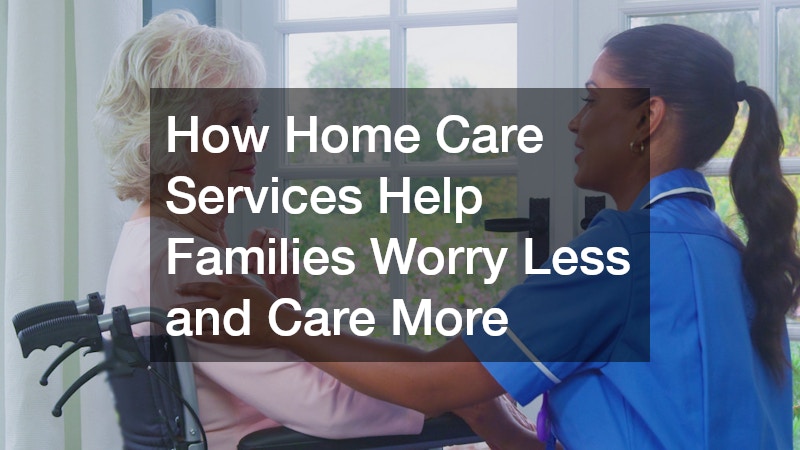
Caring for a loved one who is aging, recovering from illness, or living with a chronic condition can be both meaningful and challenging. Many families want to provide the best care possible, but balancing caregiving with work, children, and daily responsibilities can quickly become overwhelming. This is where home care services can make a life-changing difference.
By providing professional support in the comfort of a patient’s home, these services help families ensure their loved ones receive compassionate, personalized care. More importantly, they reduce stress for family members and allow them to focus on what truly matters—spending quality time together.
Understanding how home care services support both patients and families can help caregivers make informed decisions that improve everyone’s well-being.
Personalized Care in the Comfort of Home
One of the greatest benefits of home care services is that they allow patients to receive care in a familiar environment. Home is where people feel safest and most comfortable, especially during vulnerable moments such as illness, recovery, or aging. Remaining at home can significantly improve emotional well-being and overall quality of life.
Professional caregivers provide personalized assistance tailored to each patient’s unique needs. This can include help with daily activities such as bathing, dressing, meal preparation, and medication reminders. Some caregivers may also assist with mobility support, light housekeeping, and companionship.
Unlike institutional care settings, where staff members often divide attention among many residents, home care services focus on individualized support. Care plans are developed based on the patient’s health conditions, preferences, and daily routines. This personalized attention ensures that patients receive care that respects their independence while meeting their health needs.
For families, knowing their loved one is receiving attentive care at home brings peace of mind. They no longer need to worry constantly about whether basic needs are being met or whether their loved one is feeling isolated. Instead, they can trust that a trained professional is there to provide reliable support.
Reducing Stress for Family Caregivers
Family caregivers often carry a heavy emotional and physical burden. Many juggle caregiving responsibilities with full-time jobs, parenting duties, and personal commitments. Over time, this can lead to fatigue, burnout, and anxiety.
This is where home care services become an essential support system. Professional caregivers can step in to share the workload, allowing family members to take breaks and maintain a healthier balance in their lives. Even a few hours of assistance each week can make a significant difference.
For example, caregivers can handle routine tasks like preparing meals, assisting with mobility, or helping with personal hygiene. This relieves family members from performing physically demanding or time-consuming duties on their own. As a result, they can focus on their role as a supportive family member rather than feeling overwhelmed by constant caregiving demands.
Additionally, many home care services offer flexible scheduling options. Families can arrange care for a few hours a day, overnight support, or even around-the-clock assistance depending on the patient’s needs. This flexibility allows caregivers to customize support in a way that fits their lifestyle and responsibilities.
Reducing caregiver stress not only benefits family members but also improves the overall care experience for the patient. When families feel supported, they can interact with their loved ones with more patience, compassion, and emotional presence.
Improving Safety and Quality of Life
Safety is one of the biggest concerns families have when caring for an elderly or medically fragile loved one. Falls, medication errors, and health complications can happen quickly, especially when someone lives alone.
Professional caregivers play an important role in reducing these risks. Home care services provide trained professionals who know how to recognize warning signs, assist with mobility safely, and help patients follow medical instructions. Their presence helps prevent accidents and ensures that patients receive prompt attention if concerns arise.
Caregivers can also help maintain a structured routine that supports physical and emotional health. Encouraging light activity, preparing nutritious meals, and providing social interaction all contribute to a better quality of life. Loneliness and isolation are common challenges for individuals who spend most of their time at home, and companionship from caregivers can make a meaningful difference.
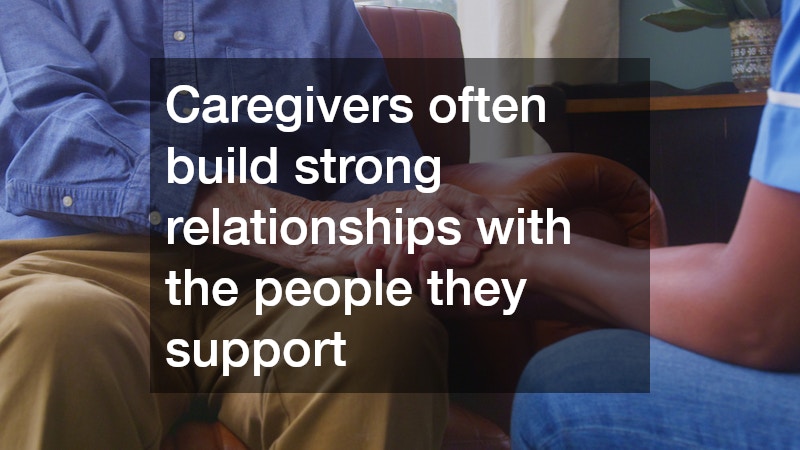
Beyond practical assistance, caregivers often build strong relationships with the people they support. Their companionship can brighten a patient’s day, providing conversation, encouragement, and emotional reassurance. These connections help patients feel valued, respected, and less alone.
Caring for a loved one is one of the most important responsibilities a family can take on, but it doesn’t have to be done alone. Professional support can make a meaningful difference in both the patient’s well-being and the caregiver’s peace of mind.
Home care services provide personalized assistance, reduce stress for family caregivers, and improve safety for individuals who need extra support at home. By allowing patients to remain in a familiar environment while receiving professional care, these services create a balance that benefits everyone involved.
For families navigating the challenges of caregiving, seeking help is not a sign of weakness—it is a thoughtful step toward providing better care. With the right support in place, families can worry less about daily challenges and focus more on sharing meaningful moments with the people they love.