
A major home transition can involve far more than packing boxes and changing addresses. Families may need to coordinate transportation, cleaning, storage, waste removal, specialty item handling, and temporary support services while still managing work, school, pets, and everyday responsibilities. Without a clear plan, even a positive move can quickly become exhausting.
The most effective way to reduce stress is to treat the process as a series of manageable stages rather than one enormous project. Early planning creates time to compare providers, organize belongings, establish a realistic budget, and decide which tasks are worth outsourcing. It also helps prevent last-minute decisions that can add unnecessary cost or confusion.
Every household will have different priorities. Someone moving across town may need help for only a day, while a family relocating to another state may require several coordinated services over multiple weeks. By identifying needs early and creating a step-by-step schedule, homeowners can keep the transition moving forward while protecting their time, property, and peace of mind.
Start With a Detailed Moving Plan
A successful transition usually begins several weeks before moving day. Start by writing down every major task that must be completed, then assign each one a deadline. Include packing, address changes, utility transfers, school records, insurance updates, pet arrangements, transportation, cleaning, and disposal of unwanted items. Breaking the process into smaller responsibilities makes it easier to see what needs immediate attention and what can wait.
Next, decide whether the move can be handled independently or whether professional moving services would make the process more practical. Consider the size of the household, number of stairs, travel distance, heavy furniture, work schedules, and the amount of help available from friends or family. A realistic assessment can prevent injuries, damaged belongings, and rushed decisions.
Budgeting should happen early as well. Create categories for transportation, packing materials, cleaning, storage, deposits, travel, food, and unexpected expenses. Leave some room for surprises because moving often brings costs that are easy to overlook.
Finally, create one central place for important information. A binder, notebook, or digital folder can hold estimates, receipts, checklists, reservation details, utility confirmations, and contact information. Keeping everything together reduces the chance of losing important documents during a busy transition and makes it easier for multiple family members to stay informed.

Choose the Right Type of Moving Support
Not every move requires the same kind of help. Local moving services are often appropriate for relocations within the same city or general area, especially when the household can complete packing independently but needs assistance loading, transporting, and unloading furniture. These providers may charge by the hour, so organization before the crew arrives can help control costs.
Longer relocations require more detailed planning. Local long distance movers may handle moves that cross regional or state boundaries while coordinating pickup schedules, delivery windows, inventory tracking, and transportation requirements. Homeowners should ask how pricing is calculated, whether belongings will share truck space with other customers, and what happens if delivery dates change.
Before hiring any company, request a written estimate and review exactly what is included. Ask about labor minimums, travel fees, packing charges, stair fees, heavy-item surcharges, insurance coverage, and cancellation policies. It is also helpful to verify whether the company provides materials such as blankets, straps, wardrobe boxes, or protective floor coverings.
Schedule movers as early as possible during busy seasons. Summer, weekends, and the end of each month are often popular moving periods. Booking in advance gives households more flexibility and provides time to compare options instead of choosing the only company with an open appointment.
Protect Specialty and High-Value Belongings
Some possessions require more care than standard boxes and furniture. Artwork, antiques, large mirrors, electronics, fragile collections, safes, and musical instruments may need specialized preparation or transportation. Identifying these items before moving day helps determine whether additional equipment, custom packaging, or experienced handlers are necessary.
Pianos are a good example. Piano moving services are designed to handle instruments that are unusually heavy, delicate, and difficult to maneuver through doors or stairways. A piano can contain thousands of individual parts, and improper lifting or transportation may damage both the instrument and the surrounding property. Professional crews may use specialized dollies, padding, straps, ramps, and other equipment to reduce risk.
Homeowners should also document valuable belongings before the move. Take photographs, record serial numbers when appropriate, and create a basic inventory. Keep jewelry, important papers, medications, small electronics, and irreplaceable personal items with you rather than placing them on a moving truck.
When packing fragile objects, avoid leaving empty space inside boxes. Use suitable cushioning materials and clearly mark containers that require careful handling. For electronics, photographs of cable connections can make reassembly easier at the new home.
Taking additional precautions with high-value belongings may require more time at the beginning, but it can prevent significant frustration later. The goal is not simply to move everything quickly. It is to have important possessions arrive safely and in usable condition.
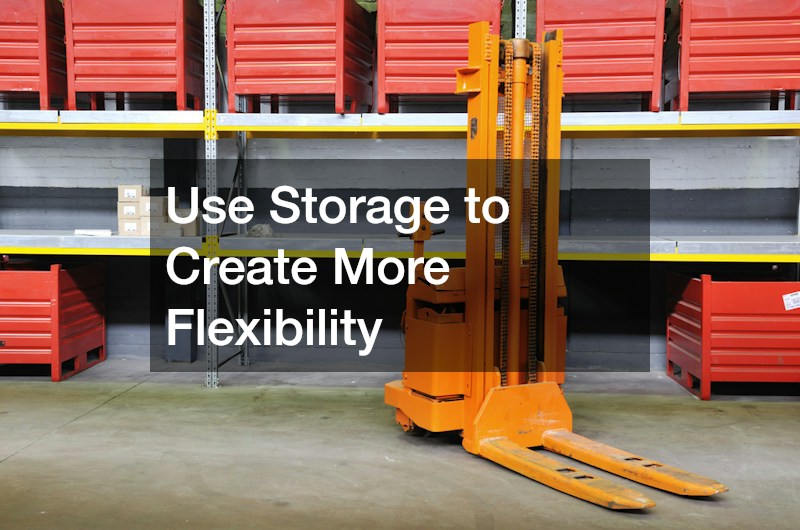
Use Storage to Create More Flexibility
Moving dates do not always align perfectly. A lease may end before a new home is ready, renovations may delay occupancy, or a household may need time to decide what belongs in a smaller space. Storage services can provide a temporary solution when belongings cannot move directly from one property to another.
The first step is deciding what actually needs storage. Avoid paying to store damaged furniture, outdated paperwork, unused appliances, or items that are unlikely to be needed again. Sorting before the move can reduce the amount of space required and make the eventual unpacking process easier.
When comparing storage options, consider unit size, access hours, climate control, security features, insurance requirements, and distance from the new home. Climate-controlled storage may be useful for wooden furniture, artwork, electronics, photographs, books, or other belongings that can be affected by temperature and humidity.
Pack the storage unit strategically. Place items that may be needed soon near the entrance and less important belongings toward the back. Use sturdy boxes of similar sizes when possible so they stack safely, and leave a narrow walkway if the unit will need to be accessed regularly.
Label every container clearly and maintain an inventory. A simple spreadsheet or phone note can save hours of searching later. Storage works best when it creates breathing room during the transition, rather than becoming a place where unidentified boxes remain forgotten for years.
Clean Both Homes at the Right Time
Cleaning can become difficult when furniture, boxes, and people are constantly moving through a property. Scheduling the work at the right time can make a noticeable difference. In the old home, deep cleaning is usually easiest after most belongings have been removed. In the new home, cleaning before large furniture arrives creates access to floors, cabinets, closets, and other areas that may soon be blocked.
Professional house cleaning services can be especially useful when the schedule is tight or when a lease, property sale, or move-in date requires the home to be ready quickly. Depending on the provider, a move-related cleaning may include kitchens, bathrooms, floors, baseboards, cabinets, appliances, windows, and other frequently overlooked areas.
Carpet cleaning may also be worth scheduling separately, particularly if the flooring has visible stains, pet odors, or heavy traffic marks. If possible, have carpets cleaned before furniture is placed in the new home and allow enough drying time before boxes are stacked on the floor.
Keep basic cleaning supplies accessible throughout the move. Paper towels, trash bags, disinfectant, a vacuum, broom, mop, and multipurpose cleaner should travel separately from boxes that will not be opened immediately.
A clean environment can make the final stages of a move feel more manageable. Instead of unpacking into a space that still needs extensive work, families can focus on arranging furniture, organizing necessities, and gradually settling into their new routines.

Remove Unwanted Items Before Moving Day
Moving is an ideal time to reduce clutter because every unnecessary item takes time, space, and money to transport. Begin sorting well before packing starts. Create categories for belongings to keep, donate, sell, recycle, and discard. Working room by room can prevent the process from becoming overwhelming.
Larger cleanouts may require professional garbage removal services, particularly when households are dealing with broken furniture, renovation debris, old appliances, yard waste, or a significant accumulation of unwanted material. Confirm what the provider accepts because certain materials may require special handling or disposal.
For projects that will generate waste over several days, local dumpster rentals may be more practical. A temporary container allows homeowners to dispose of unwanted materials gradually while sorting, cleaning, or renovating. Before scheduling a dumpster, check available space, local placement requirements, weight limits, prohibited materials, and pickup procedures.
Do not wait until the final day to handle disposal. A driveway full of debris or a garage packed with unwanted items can interfere with movers and make the property harder to clean. Completing the majority of the cleanout early creates more room for packing and reduces the amount that must be loaded.
Decluttering also offers a psychological benefit. Moving fewer possessions can make the new home feel less crowded from the beginning and give families an opportunity to be more intentional about what they keep.
Plan for Renovations and Large Projects
Some home transitions overlap with remodeling, repairs, landscaping, estate cleanouts, or construction. These projects require additional coordination because contractors, equipment, debris, and household belongings may all need to share the same property. Establish a timeline that clearly separates major work from moving activities whenever possible.
If renovations are happening before move-in, determine which areas must be completed first. Flooring, painting, plumbing work, electrical upgrades, and projects that create dust are generally easier to finish before furniture and boxes fill the home. Communicate with contractors about the moving date so materials, tools, and work vehicles do not block access.
Large projects may also require practical temporary facilities. Portable toilet rental services can be useful during extensive renovations, outdoor projects, or situations where the home’s plumbing is unavailable. This can reduce traffic through finished areas and provide workers with convenient access to restroom facilities.
Think about parking and loading zones as well. Movers need enough space to position a truck safely, while contractors may need room for trailers, dumpsters, or equipment. Coordinating these needs beforehand can prevent delays and conflicts.
Keep safety in mind throughout the project. Children and pets should stay away from active work zones, exposed materials, tools, and moving equipment. When several services are scheduled around the same time, clear communication becomes essential. Everyone involved should understand where they can work, where items belong, and which areas need to remain accessible.

Settle Into the New Home Gradually
Once the moving truck leaves, there may still be dozens of boxes waiting to be opened. Trying to unpack the entire home immediately can create unnecessary pressure. Start with the rooms and items that support everyday life, including beds, bathrooms, basic kitchen supplies, medications, work equipment, children’s necessities, and pet supplies.
Create a simple unpacking order. Bedrooms and bathrooms often come first, followed by the kitchen and primary living spaces. Decorative items, seasonal belongings, books, and less frequently used possessions can wait. This approach allows the household to function comfortably even while some boxes remain.
As items are unpacked, decide where they truly belong instead of placing everything in temporary piles. A move provides an opportunity to establish better storage systems, improve furniture layouts, and avoid recreating clutter from the previous home.
Dispose of packing materials regularly. Flatten boxes, recycle appropriate materials, and keep walkways clear. Removing empty packaging as you go makes rooms feel finished faster and reduces tripping hazards.
Finally, allow time to adjust emotionally. A new home may take several weeks or months to feel familiar, particularly after a long-distance relocation. Maintain normal routines when possible, explore the neighborhood gradually, and focus on completing one manageable task at a time. A home transition does not need to feel perfect immediately. Careful planning, appropriate professional help, and realistic expectations can turn a demanding process into a smoother beginning.