Children’s academic growth begins long before they enter a traditional classroom. From their earliest interactions with family members to their experiences in structured educational settings, children develop skills that influence how they learn, communicate, solve problems, and interact with others. Each stage of childhood introduces new opportunities to build knowledge and confidence. Providing age-appropriate experiences can help children develop the abilities they need to approach future learning with curiosity and independence.
Understanding the factors that contribute to academic growth can help families make informed decisions about early education, enrichment opportunities, and school programs. By considering a child’s developmental stage, interests, and individual needs, parents can support a positive relationship with learning that continues as children grow.
Encouraging Learning Through Play and Exploration
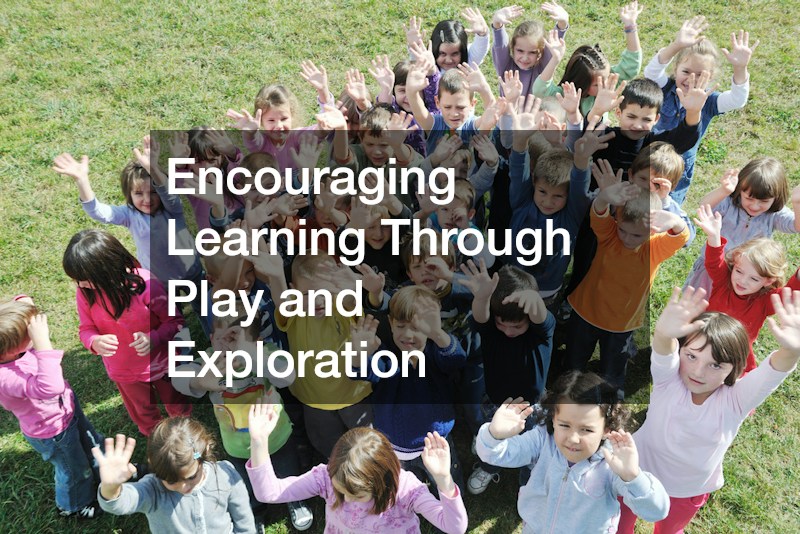
Play provides young children with opportunities to explore their surroundings, test ideas, and develop new skills. During play, children learn to make decisions, solve simple problems, and communicate their thoughts. These experiences can support early cognitive development while helping children become more comfortable with trying unfamiliar activities. Play also gives children opportunities to practice patience, cooperation, and emotional regulation.
Age-appropriate activities for toddlers can introduce important concepts through everyday experiences. Sorting objects by color, stacking blocks, matching shapes, and identifying familiar items can help children recognize patterns and develop early problem-solving abilities. Simple puzzles encourage children to compare shapes and consider how different pieces fit together. These activities can be adjusted as a child’s abilities develop, providing new challenges without making the experience unnecessarily difficult.
Movement and sensory exploration also contribute to early learning. Activities involving water, sand, play dough, music, and outdoor discovery can introduce different textures, sounds, and physical sensations. Children can practice coordination by picking up small objects, moving toys, or participating in simple movement games. Caregivers can support these experiences by asking questions, naming objects, and encouraging children to describe what they notice.
Reading together is another useful way to support early development. Picture books introduce new vocabulary, familiar routines, and basic storytelling concepts. Asking a child to point to objects, identify characters, or describe pictures encourages active participation. Consistent opportunities for conversation and exploration help establish a foundation for communication and future academic learning.
Building Confidence Through Seasonal Experiences
Children benefit from learning environments that extend beyond the traditional classroom. Seasonal programs provide opportunities to explore new interests, participate in group activities, and practice skills in different settings. These experiences can introduce children to unfamiliar subjects while helping them develop social connections and greater independence.
Summer camps often combine recreation with educational activities. Depending on the program, children may participate in science projects, art workshops, outdoor exploration, sports, music, or group challenges. Each activity can introduce new concepts while encouraging children to work toward shared goals. For example, completing a group project requires participants to communicate, divide responsibilities, and consider different ideas.
Participating in summer camps can also help children become more comfortable in unfamiliar environments. They may need to follow a new schedule, meet different instructors, or collaborate with peers they have not met before. These experiences can encourage adaptability and help children practice communicating their needs. Learning how to approach new situations can be useful when transitioning to a different classroom or school year.
Parents can consider a program’s structure, activities, supervision, and age requirements when evaluating seasonal opportunities. A suitable program should provide activities that match children’s developmental abilities and interests. It should also offer a balance of guided instruction, social interaction, and free exploration. When children have opportunities to learn in enjoyable settings, they can continue developing skills during school breaks.
Developing Early Skills Through Structured Learning
Early education introduces children to routines, group expectations, and foundational academic concepts. A structured environment can help young learners become familiar with activities such as listening to instructions, participating in discussions, recognizing letters, and identifying numbers. These experiences provide an introduction to classroom expectations while allowing children to learn through age-appropriate activities.
Preschool programs commonly combine guided lessons with play-based learning. Children may participate in storytelling, music, art, early math activities, and group projects throughout the day. These experiences can support language development, coordination, memory, and social interaction. Teachers can also introduce basic classroom routines, such as taking turns, putting away materials, and transitioning between activities.
Social development is an important part of early education. Group activities give children opportunities to share materials, communicate preferences, and work through disagreements with guidance from adults. Learning to recognize emotions and respond to other children’s needs can support positive relationships. These interactions also help children practice listening and expressing their ideas in a group setting.
Families can support early learning by maintaining communication with educators and reinforcing familiar concepts at home. Reading together, discussing daily experiences, and encouraging children to complete simple age-appropriate tasks can help connect classroom learning with everyday life. Consistency between home and school can make routines easier to understand and give children additional opportunities to practice developing skills.
Supporting Academic Progress During the Middle Years
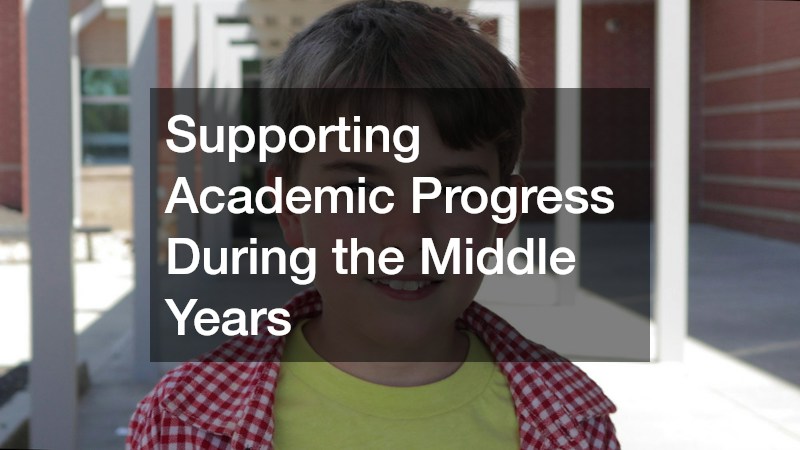
As children enter the middle grades, academic expectations often become more demanding. Students begin working with more advanced reading materials, multi-step math problems, research assignments, and longer writing projects. They also become responsible for managing more assignments and balancing different subjects. Educational support during this stage can help students strengthen foundational knowledge while developing effective study habits.
A private middle school may offer a learning environment with particular academic structures, class sizes, extracurricular opportunities, or instructional approaches. Families can review these features when considering whether a school aligns with a child’s educational needs. The availability of teacher support, academic resources, and enrichment activities can influence how students engage with classroom material.
Middle school students also benefit from learning how to manage their responsibilities. Using planners, organizing assignments, preparing for tests, and dividing larger projects into smaller tasks can help students develop time-management skills. Teachers can provide guidance as students become more independent, while parents can encourage consistent routines at home. These habits can support academic progress as coursework becomes more challenging.
Social and emotional development remains important during these years. Students may experience changing friendships, increased responsibilities, and new academic pressures. A supportive school environment can give them opportunities to build communication skills, develop confidence, and ask for assistance when needed. Encouraging students to view mistakes as opportunities to learn can also help them approach difficult subjects with greater persistence.
Encouraging Independence Through Hands-On Discovery
Children often develop a deeper understanding of new concepts when they have opportunities to interact directly with learning materials. Hands-on experiences encourage them to ask questions, test ideas, and observe the results of their actions. Rather than relying only on explanations, students can explore concepts through practical activities and guided discovery.
A Montessori school typically emphasizes student independence, hands-on materials, and learning experiences that respond to individual development. Students may work independently or in small groups while educators provide guidance and introduce new concepts. Classroom materials are often designed to help children explore subjects such as language, mathematics, science, and practical life skills through direct interaction.
This approach can encourage children to take responsibility for parts of their learning process. For example, students may select an activity, gather the necessary materials, complete a task, and return items to their designated places. These routines provide opportunities to practice organization, decision-making, and self-direction. Children can also develop concentration by spending time working through activities at an appropriate pace.
Hands-on learning can support different developmental areas at once. Building with blocks may introduce early geometry while encouraging coordination and problem-solving. Practical tasks, such as arranging objects or preparing classroom materials, can support sequencing and responsibility. Educators can observe how children approach these activities and offer additional guidance when needed.
Creating a Safe and Nurturing Start for Infants
Early development begins during infancy, when children are rapidly learning about their surroundings. Everyday interactions with caregivers help infants develop early communication, sensory awareness, and emotional connections. Responding to sounds, making eye contact, exploring safe objects, and experiencing familiar routines all contribute to early learning.
When evaluating the best infant daycare for their needs, parents can consider caregiver qualifications, supervision practices, cleanliness, communication policies, and daily routines. A suitable environment should provide attentive care and activities that reflect infants’ developmental stages. Families can also ask how caregivers respond to feeding and sleep schedules, developmental milestones, and individual comfort needs.
Consistent interactions with caregivers can support early communication. Talking, singing, reading, and responding to an infant’s sounds provide opportunities to hear language and practice early forms of expression. Simple sensory activities, such as exploring safe textures or looking at colorful objects, can encourage attention and curiosity. These experiences should be appropriate for the child’s age and abilities.
A predictable daily routine can also help infants become familiar with their environment. Consistent caregiving, feeding schedules, rest periods, and opportunities for supervised play can provide structure throughout the day. Parents and caregivers can share observations about an infant’s preferences, behaviors, and developing abilities. Regular communication helps maintain continuity between home and childcare while supporting the child’s individual needs.
Preparing Students for Future Academic Challenges
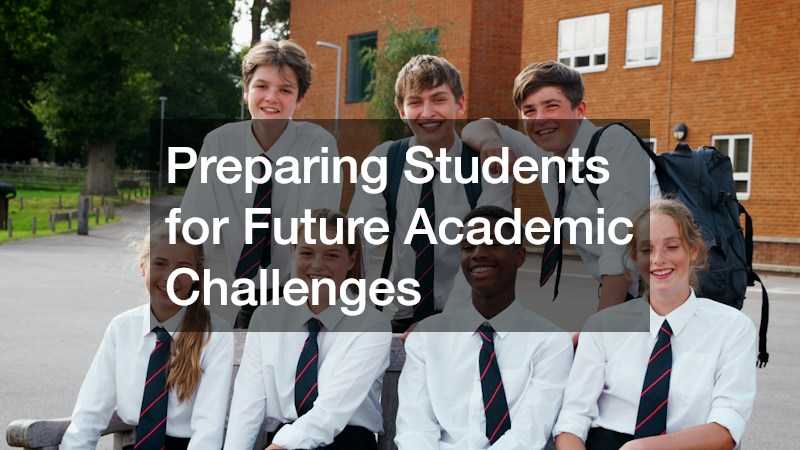
As students advance through school, they encounter increasingly specialized subjects and more demanding academic expectations. They may need to analyze information, complete independent research, write detailed assignments, and apply concepts across multiple subjects. Preparation for these responsibilities begins with foundational skills developed throughout childhood, including reading comprehension, mathematical reasoning, communication, and organization.
A preparatory school can provide an academic environment focused on building knowledge and developing readiness for future educational demands. Families may consider curriculum structure, instructional methods, class offerings, and student support when evaluating these programs. Opportunities for advanced coursework, enrichment, and individualized guidance can also influence whether a school meets a student’s needs.
Strong study habits become increasingly important as students take on more responsibility for their education. Learning to organize notes, review material regularly, prepare for assessments, and ask questions can improve their ability to manage challenging coursework. Teachers can help students identify areas that need additional attention and develop strategies for addressing academic difficulties.
Preparation also involves developing skills beyond individual subjects. Students benefit from practicing public speaking, collaboration, research, and critical thinking. Group assignments can encourage them to consider different perspectives and explain their reasoning. Independent projects can help them build confidence in making decisions and presenting their work. These experiences support academic readiness while preparing students to participate in more advanced learning environments.
Reinforcing Classroom Skills Beyond the School Day
Learning continues outside regular classroom hours. Children often benefit from additional opportunities to practice academic concepts, explore interests, and develop social skills. Structured activities after school can provide a consistent setting for enrichment while giving students time to work on assignments or participate in recreational experiences.
An afterschool program may include homework support, reading activities, science projects, arts instruction, sports, and group games. The specific offerings vary, so parents can review the program schedule and available supervision when comparing options. Programs that provide a balance of academic support and recreational activities can help children remain engaged without making every part of the day feel like another classroom lesson.
Homework assistance can be particularly useful for students who need a quiet place to complete assignments or ask questions. Staff members may help children understand directions, organize their work, and identify concepts that require additional practice. However, students should still have opportunities to complete tasks independently as their abilities develop. This balance can encourage responsibility and reinforce classroom learning.
Afterschool activities can also support social development. Team games, creative projects, and group discussions give children opportunities to practice cooperation, communication, and conflict resolution. They can learn to follow shared rules, respect different opinions, and contribute to group goals. These experiences help children develop skills that apply to school, family interactions, and other social settings.
Supporting Creativity Through Child-Led Learning
Creative experiences give children opportunities to express ideas, explore materials, and approach problems from different perspectives. Art, music, storytelling, building projects, and imaginative play can encourage curiosity while supporting communication and critical thinking. These activities also allow children to experiment without always focusing on a single correct answer.
Reggio Emilia schools commonly emphasize exploration, collaboration, creative expression, and the role of the learning environment. Children may investigate topics through projects that develop from their questions and interests. Educators observe these interactions, provide materials, and introduce ideas that encourage further exploration. Documentation of children’s work can also help make their learning process visible to families and teachers.
Creative projects can introduce academic concepts in meaningful ways. For example, children who build structures may explore balance, measurement, and spatial relationships. Drawing and painting can encourage observation, pattern recognition, and fine motor development. Group storytelling can help children practice sequencing, vocabulary, listening, and expressing ideas.
Family involvement can further support this approach to learning. Parents can discuss children’s projects, ask open-ended questions, and provide opportunities to explore interests at home. Rather than focusing only on the finished product, families can encourage children to explain their choices and describe what they discovered. Recognizing the thought and effort behind creative work can help children become more comfortable sharing ideas and trying new approaches.
Building a Strong Foundation for Higher Education
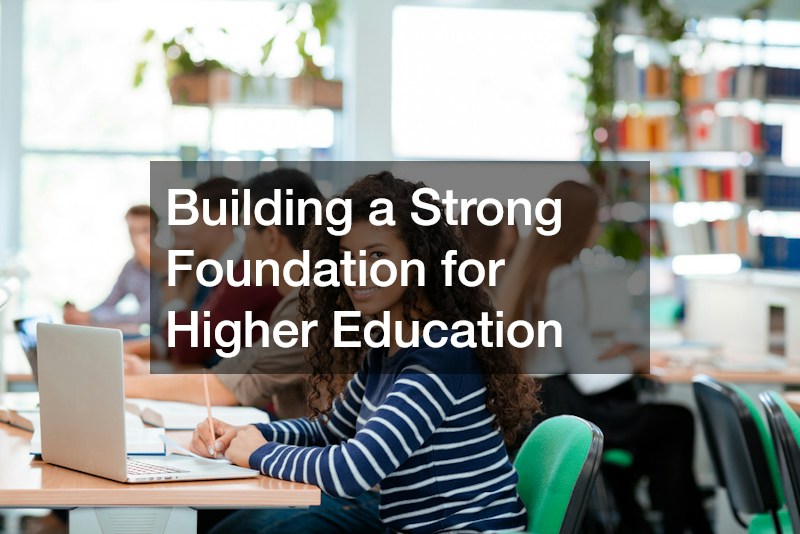
Academic preparation becomes more focused as students approach the later years of high school. They may begin considering college options, potential areas of study, extracurricular interests, and the academic requirements associated with different programs. Developing a clear understanding of these expectations can help students make informed decisions about their next steps.
A college preparatory school generally emphasizes academic coursework and skills that support students as they prepare for higher education. Depending on the institution, programs may offer advanced classes, college counseling, standardized test preparation, research opportunities, and extracurricular activities. Families can review these offerings to understand how the school supports students throughout the college planning process.
Students also benefit from developing independence and accountability before entering college. Managing longer assignments, meeting deadlines, communicating with instructors, and balancing academic and personal responsibilities can help prepare them for a less structured learning environment. Opportunities to complete research projects and participate in group presentations can further develop skills used in higher education.
College preparation should also include conversations about individual goals and interests. Students can explore different subjects, review admission requirements, and consider the types of learning environments that suit them. Parents and educators can help them evaluate options without assuming that every student will follow the same path. Whether a student plans to attend a four-year university, community college, technical program, or another educational institution, strong academic and organizational skills can support future opportunities.
Families can contribute by maintaining consistent routines, encouraging reading and conversation, and recognizing effort alongside achievement. Choosing educational programs that offer age-appropriate instruction and meaningful experiences can further support this process. With thoughtful guidance from parents, caregivers, and educators, children can build a foundation of skills that supports continued learning, personal development, and future academic opportunities.