Parenting involves making countless decisions that can shape a child’s development, confidence, and future opportunities. From selecting educational programs and supporting academic growth to maintaining health and finding resources during challenging life transitions, parents often need reliable information to make choices that fit their family’s needs. Every child is different, and the right support system can help children develop important skills while feeling secure, encouraged, and prepared for the future.
Today’s parents have access to more resources than ever before, but having many options can also make decisions feel overwhelming. Choosing a school, exploring enrichment opportunities, planning for higher education expenses, or finding the right professional support during difficult situations all require thoughtful consideration. Understanding what services are available and how they benefit children can help parents create a strong foundation for lifelong success.
A child’s growth depends on more than academics alone. Social connections, emotional support, physical health, and a stable home environment all contribute to overall well-being. Parents can help their children thrive by building relationships with educators, healthcare providers, community organizations, and other professionals who provide valuable guidance throughout different stages of life.
Whether preparing a young child for their first classroom experience, helping an older student plan for college, or seeking support during a family transition, informed decisions can make a meaningful difference. This guide explores important resources that help parents navigate education, health, finances, and family support while creating opportunities for their children to learn, grow, and succeed.
Choosing the Right School Environment for Your Child’s Success
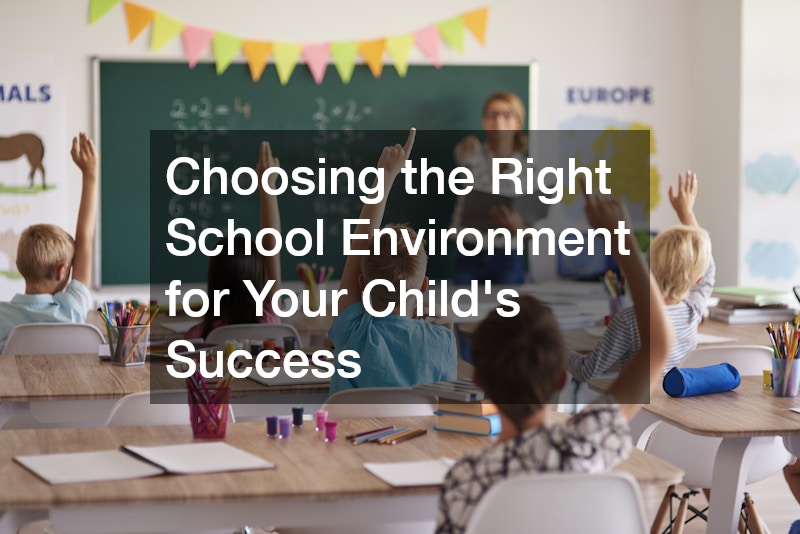
Selecting the right school is one of the most important decisions parents make. A quality educational environment should provide opportunities for academic growth while also supporting social development, communication skills, and personal confidence. Parents often consider factors such as teaching methods, class sizes, extracurricular activities, safety measures, and communication between families and educators.
Technology has become an increasingly important part of the educational experience. Schools use digital tools to improve organization, simplify administrative tasks, and strengthen communication between teachers and parents. A reliable school management software platform can help schools manage important information, including attendance records, academic updates, schedules, enrollment details, and family communication.
For parents, these tools can provide easier access to important updates about their child’s progress and school activities. Clear communication allows families to stay involved and address concerns more quickly when support is needed. When schools and parents work together, children often benefit from a stronger educational experience.
When comparing schools, parents should look beyond academics and consider how the entire environment supports students. A school that encourages curiosity, collaboration, and positive relationships can help children develop skills that extend beyond the classroom. Visiting campuses, speaking with teachers, and learning about available resources can help families determine which option best matches their child’s needs.
Finding an Early Learning Program That Supports Development
The early years of childhood are a critical time for learning and development. During this stage, children begin building communication skills, emotional awareness, problem-solving abilities, and independence. Choosing a supportive early learning environment can help children develop confidence while preparing them for future educational experiences.
Parents exploring preschools should consider programs that offer age-appropriate activities designed to encourage creativity, exploration, and social interaction. A strong early learning program balances structured lessons with opportunities for play, allowing children to learn through hands-on experiences.
Important factors to consider include teacher experience, classroom environment, daily routines, and opportunities for children to participate in activities such as reading, art, science exploration, and movement. Children benefit from classrooms where they feel comfortable asking questions, expressing ideas, and interacting with peers.
Family involvement is also an important part of early education. Programs that encourage communication between parents and educators create a partnership focused on the child’s success. Regular updates about progress and development help parents understand how their child is learning and where additional encouragement may be helpful.
By choosing an early learning program that focuses on the whole child, parents can provide a positive introduction to education while helping children develop the skills they need for future growth.
Preparing Young Children for a Strong Educational Foundation
A child’s first educational experiences can influence their attitude toward learning for years to come. A nurturing environment helps children develop independence, confidence, and curiosity while introducing foundational skills that support future academic achievement.
A quality preschool program focuses on more than preparing children for kindergarten. It helps children build important abilities such as communication, cooperation, creativity, and problem-solving. Through activities like storytelling, group projects, games, and exploration, children learn how to interact with others and approach challenges.
Parents should look for programs that recognize each child’s individual pace and learning style. Some children may thrive through hands-on activities, while others may benefit from additional opportunities to practice language, social skills, or creative expression. A flexible learning environment allows educators to support children as they grow.
Establishing healthy routines at home can also reinforce early learning. Reading together, encouraging questions, practicing responsibility, and creating opportunities for imaginative play all contribute to a child’s development.
The goal of early education is not only to teach academic concepts but also to inspire a lifelong interest in learning. When children begin their educational journey with positive experiences, they are more likely to approach future challenges with confidence and enthusiasm.
Encouraging Language Learning and Cultural Exploration
Learning a second language can provide children with valuable skills that support communication, cultural awareness, and cognitive development. Exposure to different languages at a young age can help children become more comfortable with diverse perspectives and global experiences.
A French class in Singapore can introduce children to a new language while also helping them explore cultural traditions, history, and international connections. Language learning often involves more than vocabulary and grammar. Students may learn through songs, conversations, stories, games, and cultural activities that make the experience engaging.
Parents who encourage language learning give children opportunities to develop flexibility and confidence when communicating with others. These skills can benefit students academically and socially while preparing them for an increasingly connected world.
When selecting a French class in Singapore, parents should consider teaching methods, class structure, and whether lessons are designed for the child’s age group. Programs that make learning interactive and enjoyable often help children stay motivated and interested.
Supporting language development at home can also strengthen learning. Parents can encourage children by reading bilingual books, practicing new words together, or exploring cultural activities as a family.
Building Community Connections for Growing Families
Strong communities can provide valuable support for families as children grow. Beyond the home and school environment, children benefit from opportunities to build relationships, participate in activities, and develop a sense of belonging.
A church for young families can provide a place where parents and children connect with others who share similar values and experiences. Many family-focused communities offer activities, educational opportunities, volunteer programs, and social events designed to bring families together.
For parents, community connections can provide encouragement and support during different stages of raising children. Meeting other families can create opportunities to exchange advice, build friendships, and find resources that make parenting easier.
For children, positive community involvement can help develop communication skills, empathy, and confidence. Group activities encourage cooperation and provide opportunities to interact with people outside their immediate household.
Families should choose communities that align with their beliefs, interests, and needs. A supportive environment can help children feel connected while giving parents additional resources as they navigate the challenges and rewards of raising a family.
Planning Ahead for Your Child’s Future Education Expenses
Preparing for a child’s future education requires careful financial planning. Higher education costs can be significant, and many families begin exploring options early to create a strategy that fits their budget and goals.
Understanding available financial resources, including top student loans, can help families make informed decisions about paying for college. Parents and students should research different options, review eligibility requirements, and understand repayment responsibilities before choosing a financial solution.
In addition to loans, families may consider savings plans, scholarships, grants, and other financial assistance programs. Starting conversations about education expenses early can help students understand the importance of planning and budgeting.
Parents should also encourage children to explore academic interests, career goals, and educational pathways. Having a clear understanding of future plans can help families estimate potential costs and identify opportunities for financial support.
While paying for higher education can feel challenging, preparation can reduce stress and create more options. A thoughtful approach allows families to focus on helping students pursue their goals while making responsible financial decisions.
Understanding Legal Support Options During Family Changes

Families may experience unexpected changes that require additional guidance and support. Divorce, custody concerns, or other major life events can create emotional and practical challenges for both parents and children. Having access to reliable resources can help families navigate these situations more effectively.
A family lawyer can provide guidance on legal matters involving family relationships, custody arrangements, and other concerns that may arise during transitions. Professional support can help parents understand their rights and responsibilities while working toward solutions that prioritize children’s well-being.
During difficult periods, maintaining stability for children is often a top priority. Parents can help by keeping communication open, creating consistent routines, and focusing on the child’s emotional needs.
Legal professionals can help families understand available options and make informed decisions. While every situation is unique, having knowledgeable guidance can make complex processes easier to manage.
Navigating Financial Responsibilities After Major Life Transitions
Financial changes can be one of the most challenging aspects of family transitions. When parents separate or adjust to new circumstances, understanding financial responsibilities is important for maintaining stability for children.
A child support lawyer can help parents understand issues related to child support agreements, financial obligations, and legal processes. Having professional guidance can help ensure that decisions are made with the child’s needs in mind.
Parents navigating these situations should focus on creating a supportive environment where children feel secure. Clear communication, consistent routines, and cooperation between parents can help reduce stress during periods of change.
Advocating for Children With Unique Educational Needs
Every child deserves access to an education that supports their individual abilities and learning needs. Some students may require additional services, accommodations, or specialized support to succeed academically.
A special education lawyer can assist families who need guidance understanding educational rights and available resources. These professionals can help parents navigate complex processes and advocate for appropriate support within educational settings.
Parents play an important role in recognizing their child’s needs and working with educators to develop effective strategies. Strong communication between families, schools, and professionals can create better outcomes for students.
Maintaining Healthy Habits Through Preventive Care

Regular healthcare plays an important role in supporting a child’s growth and overall well-being. Preventive care helps identify concerns early while teaching children the importance of healthy habits.
A dentist provides essential services that help children maintain strong oral health. Routine visits, cleanings, and guidance on brushing and nutrition can help prevent common dental issues.
Parents can support healthy habits by encouraging regular hygiene routines, balanced nutrition, and consistent healthcare appointments. Teaching children the value of preventive care helps establish habits that can continue throughout adulthood.
Supporting a child’s growth requires attention to many areas, including education, health, finances, and family stability. Parents make countless decisions throughout their child’s life, and having access to reliable resources can make those decisions easier and more informed.
From selecting the right educational environment and encouraging early learning to exploring future education planning and healthcare services, each choice contributes to a child’s overall development. Strong educational foundations help children build confidence, while preventive healthcare supports their ability to learn and participate fully in daily activities.
Families may also face unexpected challenges, including financial changes or transitions that require additional support. Knowing when to seek professional guidance can help parents protect their children’s interests and create a more stable future. Resources that support legal needs, educational advocacy, and community connections can provide valuable assistance during difficult times.
Parenting does not involve finding a single perfect approach. Instead, it involves understanding each child’s unique needs and creating an environment where they can grow, learn, and succeed. By exploring available resources and building relationships with trusted professionals, parents can provide meaningful support at every stage of their child’s journey.
A strong foundation built through education, health, and family support can have lasting effects. With thoughtful planning and access to helpful services, parents can give their children the tools they need to navigate challenges, pursue opportunities, and develop into confident individuals prepared for the future.