
Creating a happier home dynamic starts with intentional choices that support growth, health, and emotional balance for every family member. A positive home environment isn’t built overnight—it’s shaped through consistent routines, proactive care, and thoughtful planning that adapts as children grow. When families prioritize stability, communication, and well-being, they create a foundation where children feel secure and supported.
From early childhood through adolescence, each stage of development introduces new responsibilities and opportunities. Reliable childcare routines help parents balance work and family life, while early dental care and structured learning environments prepare children for long-term success. As kids mature, teaching responsibility, supporting wellness, and encouraging confidence become essential to maintaining harmony at home.
This guide explores ten practical and meaningful ways families can improve their home dynamic. Each tip focuses on a specific area that contributes to a balanced household, from childcare and education to wellness, self-care, and health planning. By embracing these strategies, parents can create an environment where children thrive emotionally, socially, and physically—leading to a more peaceful, confident, and connected family life.
1. Establish Reliable Childcare Routines
A consistent daily structure provides children with a sense of security and predictability, which is essential for emotional development. When children know what to expect each day, they are better able to manage transitions, regulate emotions, and feel confident in their surroundings. Structured routines also help parents manage schedules more efficiently and reduce stress within the household.
Choosing dependable daycare options supports this consistency by offering children a safe, nurturing environment during critical developmental stages. These programs provide structured activities, social interaction, and age-appropriate learning experiences that reinforce routine and stability. Parents benefit from knowing their children are cared for in an environment that aligns with family values and expectations.
Reliable childcare routines foster independence and adaptability while strengthening trust between parents and children. Over time, these routines help children develop responsibility and confidence, contributing to a calmer and more organized home dynamic that supports long-term family harmony.
2. Prioritize Early Dental Health
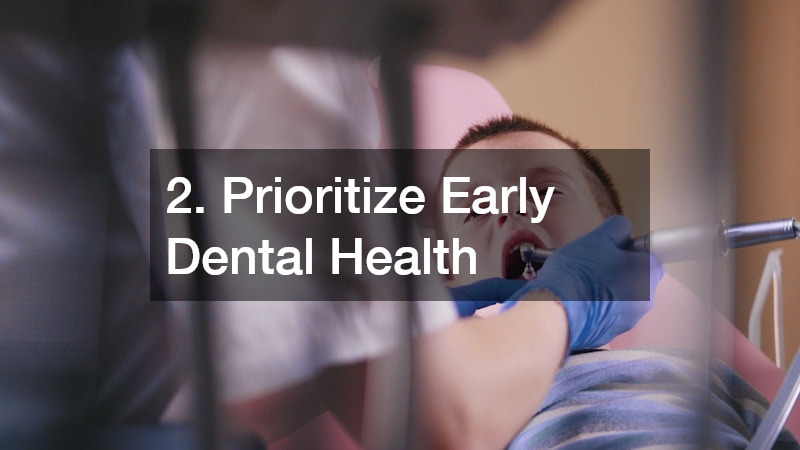
Good oral health plays a vital role in a child’s overall well-being and confidence. Establishing healthy dental habits early helps prevent discomfort, anxiety, and future health issues that can disrupt daily life. When children feel comfortable caring for their teeth, it reinforces self-discipline and personal responsibility.
Visiting a local pediatric dentist introduces children to dental care in a supportive and age-appropriate environment. These specialists focus on gentle techniques and education, helping children understand why oral hygiene matters. Early checkups allow potential issues to be identified before they become serious, minimizing stress for both children and parents.
Prioritizing dental health contributes to a happier home by reducing health-related disruptions and promoting positive routines. When children associate dental care with encouragement rather than fear, it builds confidence and reinforces the importance of preventive health practices throughout their lives.
3. Prepare Children for Structured Learning
Early exposure to organized learning environments helps children develop cognitive, social, and emotional skills. Structured education introduces concepts such as cooperation, focus, and routine, all of which are essential for success in later academic settings. Preparing children early also eases the transition into formal schooling.
Programs like pre k provide foundational learning experiences through guided play, early literacy, and social interaction. These environments help children build communication skills and adaptability while fostering curiosity and confidence. Exposure to group learning also encourages teamwork and emotional resilience.
Preparing children for structured learning strengthens family dynamics by reducing academic stress later on. When children feel confident entering new educational settings, parents experience greater peace of mind, creating a supportive and optimistic atmosphere at home.
4. Teach Responsible Driving Habits

As children grow into teenagers, teaching responsibility becomes increasingly important, especially when it comes to driving. Learning safe driving behaviors helps young people understand accountability, risk management, and the impact their decisions can have on themselves and others. Open conversations about safety, focus, and awareness lay the groundwork for confident and cautious drivers.
Enrolling teens in driver education provides structured instruction that blends classroom learning with practical experience. These programs emphasize traffic laws, defensive driving techniques, and hazard recognition, giving young drivers the tools they need to navigate real-world situations safely. Professional instruction also reinforces habits that parents may find difficult to teach consistently.
Responsible driving habits extend beyond the road and into daily life. Teens who learn patience, awareness, and discipline through driving often apply those skills at home and school. This shared sense of responsibility strengthens trust between parents and children, contributing to a calmer and more cooperative household dynamic.
5. Support Whole-Family Wellness
Physical well-being plays a key role in maintaining emotional balance and positive interactions at home. When family members feel physically comfortable and energized, they are better equipped to manage stress, communicate effectively, and engage in daily activities. Addressing physical health proactively helps prevent small issues from escalating into chronic problems.
A chiropractor can support family wellness by helping address posture concerns, alignment issues, and physical discomfort caused by growth, work habits, or activity levels. Gentle care plans tailored to different ages promote mobility, comfort, and overall body awareness. This type of preventative care helps families stay active and engaged together.
Supporting wellness as a family reinforces healthy habits and shared responsibility. When parents model proactive health choices, children learn the value of self-care and body awareness. This collective focus on well-being encourages a supportive home environment where everyone feels cared for and understood.
6. Care for Family Pets Together

Pets play an important role in family life, offering companionship, responsibility, and emotional comfort. Caring for animals together teaches children empathy, patience, and accountability while strengthening family bonds. Shared pet responsibilities encourage teamwork and create opportunities for meaningful connection.
Working with a veterinarian ensures pets remain healthy and happy throughout their lives. Regular checkups, vaccinations, and preventative care protect animals while reducing unexpected health concerns. Involving children in these visits helps them understand the importance of health maintenance and compassionate care.
Caring for pets as a family builds routines and shared experiences that enhance home life. Children who participate in feeding, grooming, and health care develop confidence and emotional awareness. These lessons extend beyond pet care, reinforcing values that contribute to a more harmonious and nurturing household.
In addition, pets can support emotional development by offering comfort during stressful or challenging moments. Children often form strong bonds with animals, which can help them learn emotional regulation and empathy in a natural way. Family discussions about pet needs, behavior, and well-being also improve communication and problem-solving skills. Over time, these shared responsibilities create lasting memories and reinforce the importance of compassion, consistency, and teamwork within the home.
7. Encourage Confidence and Self-Care
A happier home dynamic often starts with individuals feeling comfortable, confident, and valued in their own skin. Confidence influences how family members communicate, manage stress, and show empathy toward one another. When self-care is encouraged rather than dismissed, it sends a powerful message that personal well-being is a priority within the household. This mindset creates an environment where emotional health is openly supported rather than quietly neglected.
For adults, personal appearance can be closely tied to confidence and self-expression. Some people choose aesthetic treatments such as botox as part of a broader self-care routine, not out of vanity but as a way to feel refreshed and self-assured. When individuals feel good about themselves, they often bring more patience, positivity, and emotional availability into their relationships at home.
Children benefit greatly from observing healthy self-care habits modeled by adults. Seeing caregivers prioritize balance, confidence, and emotional wellness teaches kids that taking care of themselves is normal and necessary. A home that promotes confidence and self-respect helps each family member feel empowered, contributing to a more harmonious and emotionally supportive household.
8. Address Appearance Concerns Early

Appearance-related concerns can quietly affect emotional well-being if left unaddressed. Changes in physical appearance may lead to self-consciousness, anxiety, or withdrawal, especially if individuals feel unsupported or embarrassed discussing them. Addressing these concerns early encourages open dialogue and prevents negative emotions from building beneath the surface.
Conditions such as balding can impact self-esteem and self-image, particularly when they occur unexpectedly or at a younger age. Having honest conversations within the family allows individuals to explore options, share concerns, and feel validated rather than isolated. Emotional reassurance often plays a larger role than solutions themselves, reinforcing that self-worth is not defined by appearance.
A family that approaches appearance concerns with empathy fosters resilience and emotional trust. When changes are met with understanding instead of judgment, individuals feel safer expressing vulnerability. This supportive dynamic strengthens relationships and reinforces the idea that confidence is rooted in acceptance, not perfection.
Additionally, addressing appearance concerns early opens the door to education and realistic expectations. Families can discuss how physical changes are a natural part of life and explore healthy coping strategies together. This approach reduces stigma and prevents harmful comparisons or internalized pressure. By normalizing these conversations, families create a safe space where individuals feel empowered, supported, and confident in expressing their evolving identities.
9. Stay Ahead of Youth Health Needs
Proactive health planning plays a vital role in maintaining a calm and organized household. When families stay ahead of youth health requirements, they reduce last-minute stress and ensure children feel prepared for school, sports, and extracurricular activities. Anticipating health needs allows routines to remain steady and predictable, which benefits both parents and children.
Sports physicals are an essential part of preventative care, ensuring young athletes are physically ready to participate safely. These evaluations help identify potential concerns early, offering reassurance to families while supporting a child’s performance and confidence. Completing health requirements ahead of deadlines minimizes disruptions and fosters responsibility.
By prioritizing preventative care, families teach children the importance of listening to their bodies and advocating for their health. This proactive approach builds lifelong habits of accountability and awareness, contributing to a household that values preparedness, communication, and overall well-being.
Staying ahead of youth health needs also encourages stronger relationships with healthcare providers. Regular check-ins allow families to track growth, address questions, and adapt care as children develop. This consistency helps children view healthcare as a normal, supportive part of life rather than something associated only with illness, reinforcing a balanced and confident approach to personal wellness.
10. Manage Advanced Dental Care Calmly
Advanced healthcare needs can be intimidating, especially for children who may not fully understand what is involved. When families approach complex dental care with calmness and preparation, it reduces fear and uncertainty. Clear explanations and reassurance help maintain emotional stability within the home during stressful situations.
An oral surgeon provides specialized expertise for dental issues that require advanced procedures. Knowing that care is being handled by a qualified professional helps families feel confident and informed. Preparing children for what to expect before and after treatment eases anxiety and promotes cooperation throughout the process.
Managing advanced care calmly sets an important example for children about facing challenges with confidence. When parents remain composed and supportive, children learn resilience and trust. This experience strengthens family bonds and reinforces a home dynamic built on reassurance, understanding, and shared problem-solving.
Creating a happier home dynamic is an ongoing process built on intention, communication, and thoughtful care for every family member. By establishing reliable routines, prioritizing health, and addressing emotional and physical needs early, families can create an environment where everyone feels supported and valued. Each step taken toward stability and well-being strengthens trust and reduces unnecessary stress within the household.
From early education and healthcare planning to self-care and preventative wellness, these tips highlight the importance of balance in daily family life. When parents model responsibility, empathy, and preparedness, children are more likely to develop confidence, resilience, and healthy habits that carry into adulthood. Open conversations and proactive decision-making encourage emotional safety and mutual understanding.
A strong home dynamic is not about perfection, but about consistency and care. Small, thoughtful choices—whether related to health, education, or personal well-being—collectively shape a positive atmosphere where growth is encouraged. By investing time and attention into these areas, families can foster a home that supports happiness, connection, and long-term emotional wellness for everyone involved.